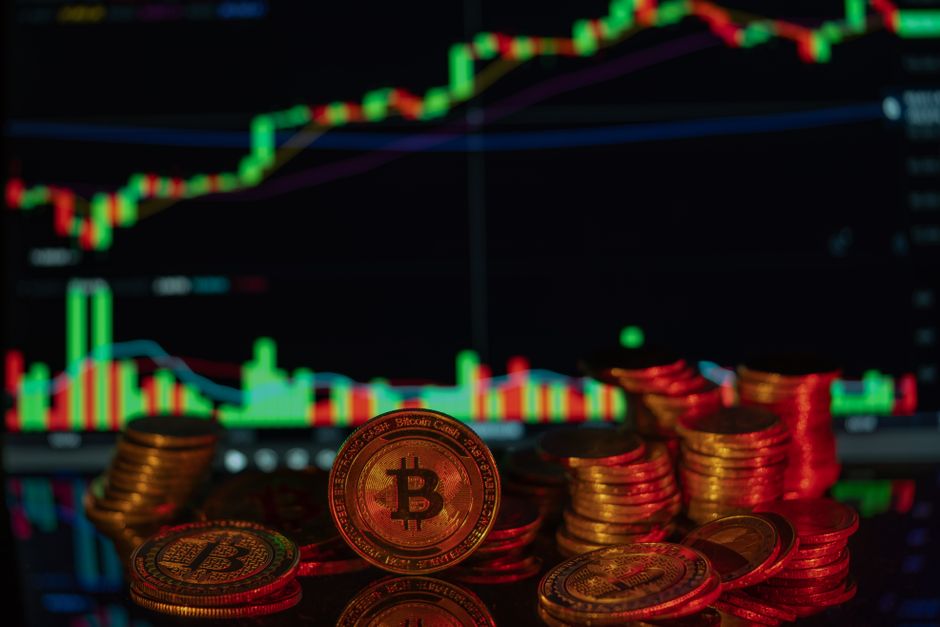
Seoul spent Tuesday morning looking like it was heading for a second straight rout, and spent the afternoon undoing it. The KOSPI opened 2.4% lower at 6,535.93, extended the drop to more than 4% at its worst point, and then ground its way back to close at 6,742.74, up 45.78 points, or 0.68%. That is a swing of roughly five percentage points from trough to close in a single session — the kind of intraday range that says more about positioning than about any new piece of news.
The short version: Chip stocks dragged Seoul sharply lower at the open on renewed doubts about AI capital spending, then recovered enough to drag the index back into the green. Foreigners still sold a net 3.82 trillion won; domestic money absorbed all of it.
| Close (Aug 25) | Change | |
|---|---|---|
| KOSPI | 6,742.74 | +0.68% |
| KOSDAQ | 827.15 | +1.70% |
| KRW/USD | 1,386.1 | −3.7 won |
| Samsung Electronics | 257,000 won | ~flat (+0.19%) |
| SK hynix | 1,678,000 won | +0.42% |
What moved the market
The opening gap down was imported. U.S. stocks finished mixed overnight on Monday, with the Dow up 0.26% but the Nasdaq off 0.76% as investors again questioned how quickly the enormous capital being poured into AI infrastructure will turn into profit. In a market as chip-weighted as Korea's, a soft Nasdaq session is not background noise — it is the opening print.
Two company-specific stories made the morning worse before they got better.
Samsung Electronics remained under pressure following its shareholder return announcement, which flagged up to 110 trillion won in returns but left the scale and timing of share cancellations undecided. That ambiguity is what the market punished in Monday's 3.12% index drop, and the selling carried into Tuesday's open before the stock stabilized and finished essentially unchanged at 257,000 won.
SK hynix had its own overhang: production workers voted down the tentative wage agreement reached after two months of negotiations, sending the question of how much of their performance bonus should be paid in treasury shares back to the table. The stock still closed up 0.42% at 1,678,000 won.
The flow data explains the shape of the day better than either headline. Foreign investors sold a net 3.82 trillion won — a very large single-session number — while institutions bought a net 1.17 trillion won and retail investors roughly 1.05 trillion won. Domestic buyers did not merely cushion the foreign exit; they more than offset it. That is the structural story of the Korean market this year, and it is why the index keeps recovering intraday even on days when overseas money is leaving.
Sector by sector
Semiconductors were the source of the morning damage and the afternoon repair. Nothing was resolved — both Samsung and SK hynix finished close to flat — but the absence of continued selling was itself enough to turn the index.
Autos led. Hyundai Motor rose 1.69% to 421,000 won, helped by the tentative conclusion of its own wage negotiations, which removes a familiar late-summer uncertainty from the sector. Attention now shifts to Kia's talks.
Shipbuilding stayed firm, with HD Hyundai Heavy Industries up 1.98% at 464,500 won. The order-book-driven names have been among the steadier performers through this month's volatility.
Batteries and refining lagged. LG Energy Solution fell 3.45% to 349,500 won and SK Innovation dropped 3.92% to 125,000 won — a reminder that "Korean tech" is not one trade, and that the EV supply chain has not been participating in the AI-led move.
The KOSDAQ outperformed outright, closing up 1.70% at 827.15 after opening lower. Gains were concentrated in materials, parts and equipment names — the second-tier suppliers that tend to move when the large-cap chip complex stabilizes rather than falls.
The won and the macro picture
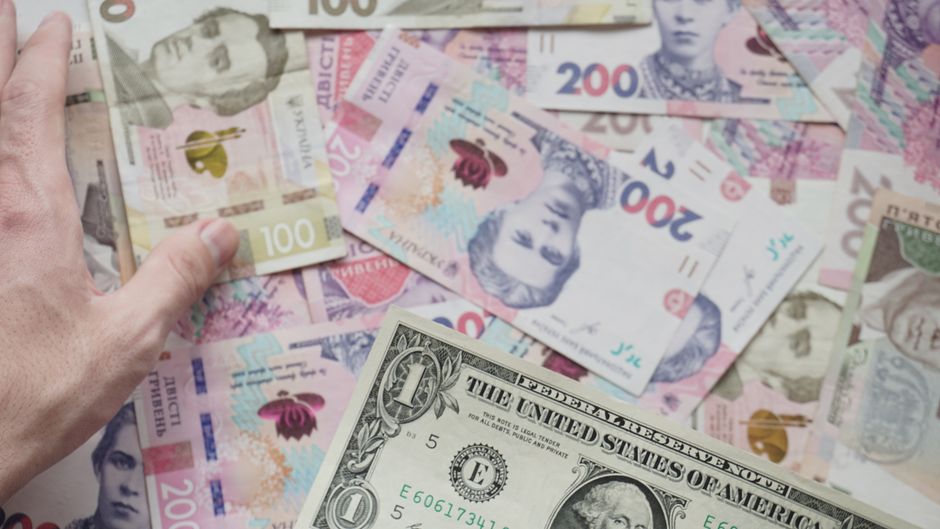
The won/dollar rate ended at 1,386.1, 3.7 won lower than the previous close, leaving the currency close to its firmest level in about eleven months. The strong-won story has become a live domestic issue: Korean retail investors hold large unhedged positions in U.S. equities, and currency appreciation has been quietly eroding those returns even when the underlying dollar positions rise.
The macro backdrop is unusually strong, and unusually narrow. Exports in the first 20 days of August rose 56% year-on-year to $55.2 billion, the highest ever for that period in an August. Semiconductor shipments nearly tripled, to roughly $26 billion, and now account for 47.2% of all exports — up 22.5 percentage points from a year earlier. Imports rose 19% to $41.2 billion, leaving a $14 billion surplus for the 20 days.
Read that carefully: nearly half of what Korea sells abroad is now chips. That is what has powered the index to these levels, and it is also the concentration risk that makes every wobble in global AI sentiment land directly on the KOSPI.
Domestically, the picture is less uniform. Consumer sentiment fell in August for the first time in four months, weighed down by inflation concerns and the equity correction — a signal that the export boom has not translated evenly into household confidence.
What to watch next
- Bank of Korea, Thursday (Aug 27). The BOK raised its policy rate to 2.75% in July, its first hike in more than three years. Economists are split on Thursday: a slim majority in a Reuters poll expects a move to 3.00%, with above-target inflation, booming chip exports and housing pressure arguing for a hike, and the extent to which bond yields have already tightened arguing for a pause. Either outcome would matter for the won.
- Nvidia earnings, Wednesday U.S. time. The single most direct read-through to Samsung and SK hynix. Seoul will trade the reaction on Thursday morning.
- Jackson Hole, Friday. Fed Chair Kevin Warsh's keynote is the week's other macro event, with markets looking for direction on U.S. policy after a stretch of persistent inflation.
- Kia wage talks, following Hyundai Motor's tentative deal.
Tuesday was not a resolution. It was a market discovering that the sellers had, for one session, run out of conviction before the buyers did — with a chip-earnings catalyst and a central bank decision both landing within 48 hours.
This is market information, not investment advice.